Subic Bay: Wreck Diving in a Bay That Was a Navy Base for a Century
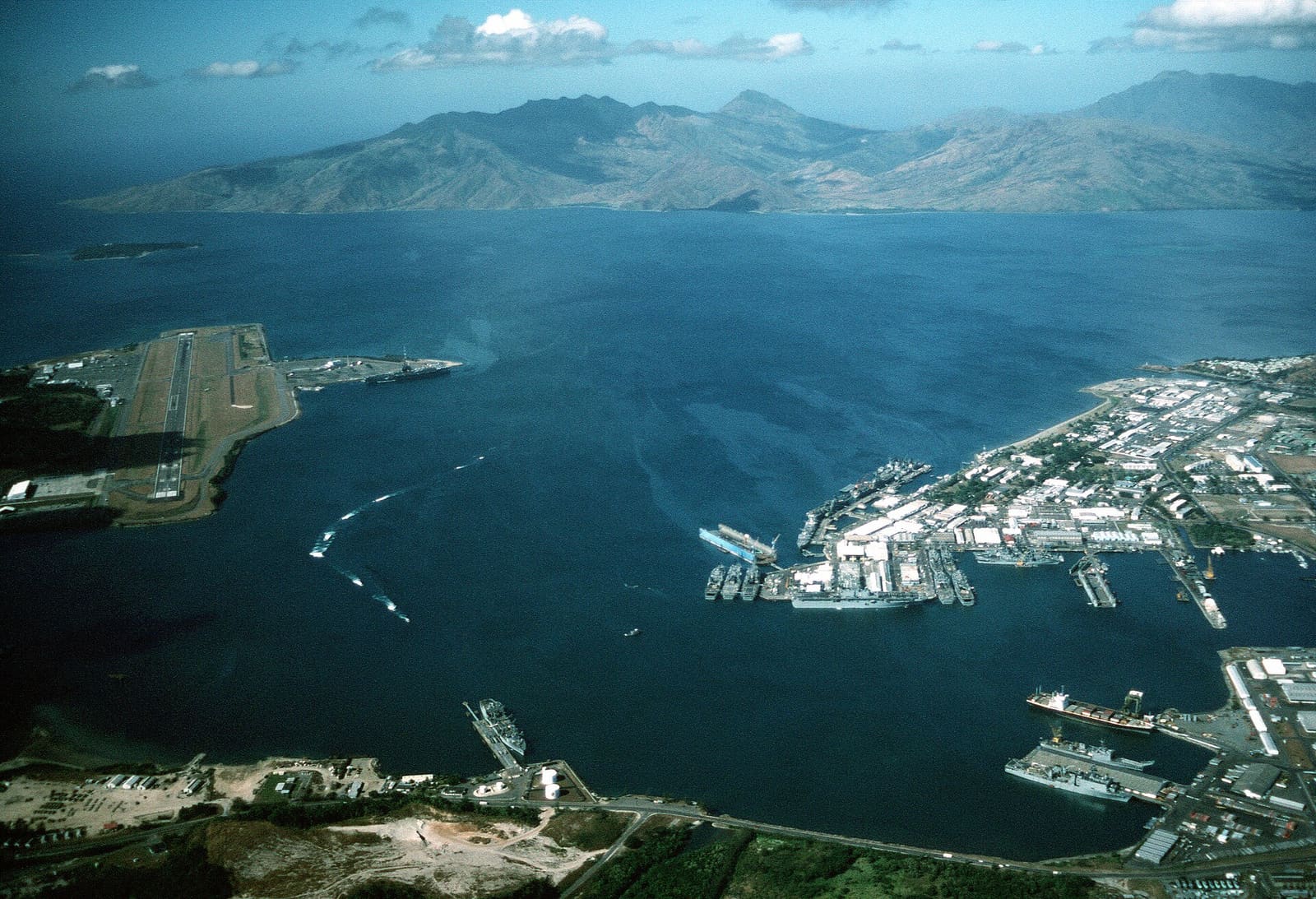
Most wreck destinations give you one good story. Subic Bay gives you a century of them, stacked in the same protected water.
The bay sits on the west coast of Luzon, about 100 kilometers northwest of Manila Bay, and it was a naval port under three different flags. Spain, then the United States for most of the twentieth century, until 1991. Wars leave things on the bottom.
So what you get here is not a reef trip with a wreck bolted on. It is a place where you can dive a Spanish ship scuttled in 1898, a Japanese freighter bombed in 1944 and a stern section sunk as a target in 1969, all inside the same bay. If you like knowing exactly what you are looking at and why it sank, this is your kind of diving.
What's down there
Most of the wrecks in the bay come from one of two events: the Spanish–American War in 1898, or World War II, when American aircraft sank a number of Japanese vessels here.
El Capitan is the one people talk about first. A freighter of nearly 3,000 tons and just under 130 meters long, formerly the USS Majaba, she sank in 1946 and rests on a sloping bottom.
The Oryoku Maru carries the heaviest story in the bay. On 15 December 1944 she was carrying 1,619 American, British and Czech prisoners of war when American fighters bombed her, less than half a kilometer off the Alava Pier. Around 300 prisoners died during the short voyage from Manila and in the attack. Divers here treat her as what she is: a grave.
Four days later, on 19 December 1944, an air raid on the bay sank the 3,712-ton freighter Seian Maru. Then there is the rest of the list, and it is a strange one.
- San Quentin, the Spanish San Quintín, scuttled in 1898 to try to block the passage between Grande Island and Chiquita Island
- USS New York, renamed USS Rochester in 1917, a decommissioned cruiser scuttled by American forces in December 1941 because her armored hull was too valuable to hand over
- LST-559, scuttled mid-bay between the southern tip of the runway and Grande Island
- Kyo Maru No. 11, a Japanese subchaser sunk by P-40 Warhawks on 2 March 1942 during the Battle of Bataan
- Banshu Maru No. 52, a Japanese auxiliary minesweeper
- USS Lanikai, a schooner-rigged diesel yacht that served in both world wars
- The stern section of USS Frank E. Evans, sunk as a target on 10 October 1969
- An unidentified Japanese patrol boat, sometimes called Aso Maru, though naval records place the real Aso Maru off Negros
That last one is a nice reminder that wreck identification is an ongoing argument. The Wikipedia entry on the bay walks through the evidence if you want the detail before you go.
One bay, several places called Subic
Worth sorting out before you book anything. Subic Bay is the wide body of water and the towns around it, stretching from Subic municipality and Olongapo city in Zambales across to Morong in Bataan.
The Subic Bay Freeport Zone is the old naval base, now an industrial, commercial and tourist area, and most of it is actually in Olongapo. Subic municipality is the quieter western side, with cheaper accommodation and less bustle apart from the Hanjin Shipyard.
Visitors often use "Subic" to mean all of it. Locals do not. Know which one your dive operator means.
When to go
The bay has long been valued for deep, protected water, and the numbers show it. Sea temperature barely moves across the year, and wave heights stay low through the first half.
| Month | Sea temperature (°C) | Wave height (m) |
|---|---|---|
| January | 28 | 0.6 |
| February | 27 | 0.4 |
| March | 28 | 0.4 |
| April | 29 | 0.3 |
| May | 30 | 0.3 |
| June | 30 | 1.0 |
| July | 30 | 1.1 |
| August | 29 | 2.0 |
| September | 29 | 1.0 |
| October | 29 | 0.5 |
| November | 29 | 1.1 |
| December | 29 | 0.6 |
February through May is the flattest stretch, with wave heights of 0.3 to 0.4 meters and water around 27 to 30 degrees. August stands out at 2.0 meters. October drops back to 0.5. Figures from Open-Meteo marine data for 2026.
Getting there and staying
Subic sits on the Olongapo-Bugallon Road, the main road through Zambales. Buses run from Metro Manila, with Victory Liner passing through town on its frequent daily trips to Iba and Santa Cruz. You can also ride to Olongapo, where those buses make stopovers, and switch to a jeepney or passenger van.
Once you are in town, tricycles handle everything. For beds, the Wikivoyage guide lists White Rock Beach Resort in Matain, Balai Subik Hotel in Mangan-Vaca and JNV Dream Hotel in Calapacuan. For food and supplies between dives there is the New Subic Public Market on Subic Fishing Port Road, plus Savemore, Puregold and WalterMart along the main road.
If you get a dry day
Topside, the bay has a couple of things worth the detour. Pamulaklakin Nature Park at Binictican was set up by the Subic Bay Metropolitan Authority to supplement the income of the indigenous people; the name comes from a herbal vine in the Ambala language. Inland, Cinco Picos rises to 881 meters, a five-peaked massif the Aeta people hold sacred.
Plan your Subic trip in Scubaspot, then log each wreck by name as you work through the bay: El Capitan on her slope, the Seian Maru, the Rochester's armored hull. Rate them, add your photos, and tag the buddy who talked you into the Oryoku Maru. Start at scubaspot.co.