Diving in Timor-Leste: Shore Dives on the Edge of the Coral Triangle
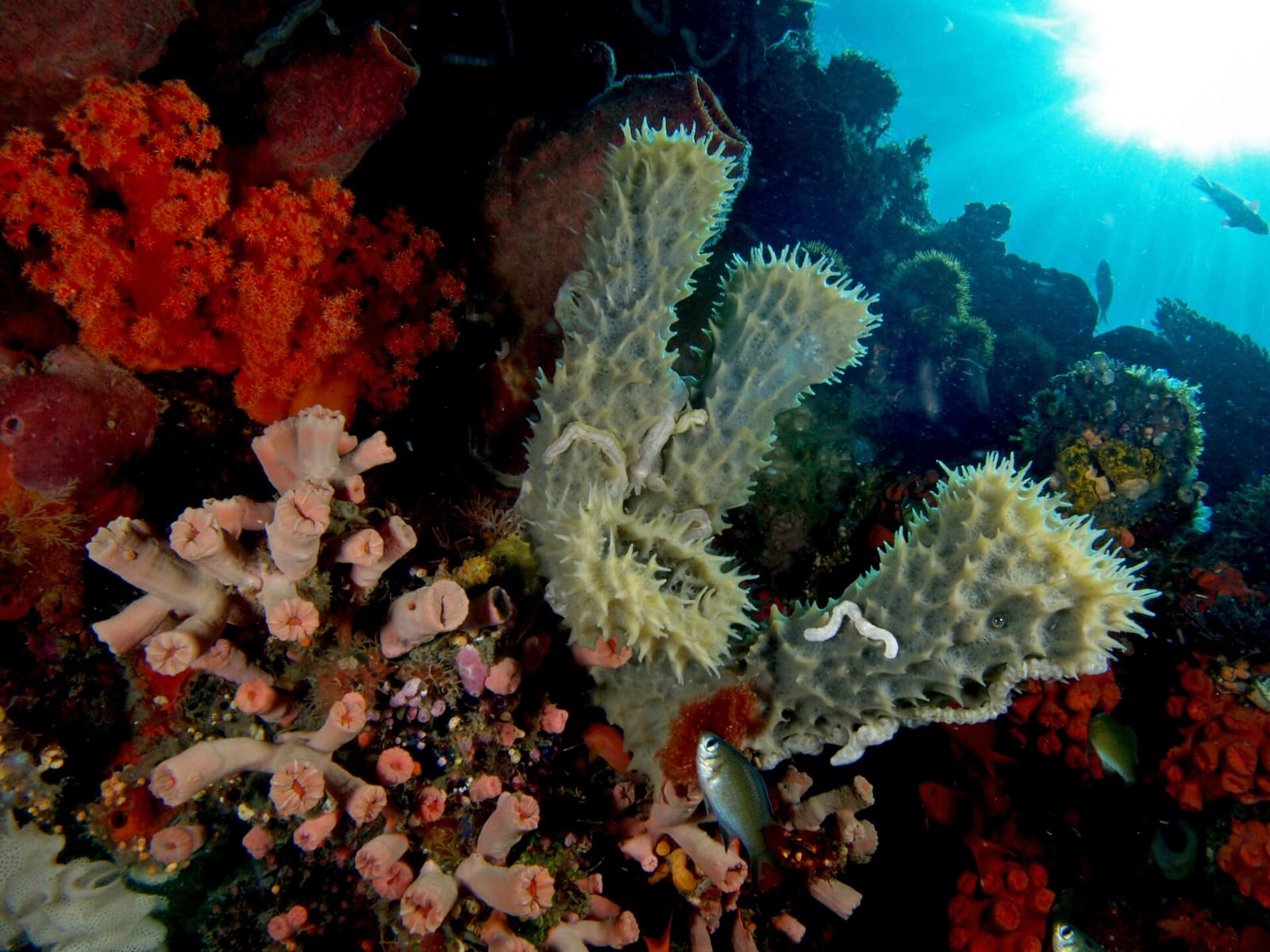
Picture gearing up at the back of a car on a Timorese roadside, walking down to the sand, and swimming out onto a coral slope that drops into some of the richest water on earth. No boat. No crowd. Maybe a few curious kids watching from the beach.
That is the shape of diving in Timor-Leste. It sits in the Coral Triangle, ringed by very deep water: roughly 2,500 m between Liquiçá and Alor Island, Indonesia. Little tourist trade, no commercial fishing fleet, no heavy industry.
The result is coral and fish life that most divers associate with liveaboards and long boat rides, reachable here from a parked car. Whales migrate through the Ombai and Wetar Straits each year, recorded in a Marine Megafauna Survey of June 2009.
West of Dili
Drive west along the coast road and the sites come one after another. Maubara is the natural base for a day of it: the historic Dutch fort is usually open, the restaurant inside serves a quick, cheap meal under magnificent shade trees, and roadside stalls sell local products.
Maubara Church, also called Kindergarten, is a site people come back to. Shady parking, an entry over sand and small rocks, then a coral slope sprinkled with sandy patches and bombies. Average depth 15 m, maximum 28 m. Bat fish, lion fish, nudibranchs, crabs, the occasional spotted ray, and dolphins and whales between November and January.
A few hundred meters east, Maubara Fort is dived far less often. You go down the steep steps of the sea wall and out over sand, average depth 8 m and maximum 18 m. The payoff is small and strange: big nudibranchs, Spanish dancing worms, unusual soft corals, big shrimps, eels and clams.
Seal Rock sits 1.2 km west of the fort, named for the large seal-shaped rock you look for on the right. The slope dips away gently, then drops to 30 m or more past coral gardens thick with bombies, bat fish, nudibranchs, flute fish and lobsters. As of June 2012 nobody had explored the east side.
Sand, bubbles and a very large clam
Bubble Beach, about 30 km from Dili and 4 km before Liquiçá, is worth the trouble of finding. Big picturesque bombies and soft corals sit on sand around 30 m. In places the sand is warm and bubbles leak out of the seabed. Sharks, barracuda, garden eels, blue spotted rays, morays, parrots, angels and butterflyfish.
Dan's Sandy Bottom is the critter hunt, named after photographer and environmental activist Dan Groshong. Pygmy pipe-horses, bobtail squids, a resident large moray, spotted rays, interesting nudibranchs, and the occasional dugong. Weekends it doubles as a Dili picnic spot, sometimes with generators and loud music.
Further east there is Giant Clam, a boat dive built around one specimen over 1.5 m long. You need local knowledge to find it. Olive sea snake, batfish, jawfish and long-nosed butterflyfish round it out.
Dili's doorstep sites
Dili Rock East is the busiest site in the country, popular with private divers and dive shops alike for its proximity to town. The headline is Piccadilly Circus, a large bombie swarming with fish. Expect lions, turtles, octopus, morays, cuttlefish, leaf scorpionfish and gropers, plus a pretty coral garden between two and five meters. The coral carries a light layer of silt, so visibility is hit and miss.
Dili Rock West is the quieter half, and the two can be joined into a circumnavigation of the Rock. Eels, nudibranchs, flutes, trumpets, clams, and a hard coral formation near the exit full of small fish. Topside, drive up to the lookout with the statue of Pope John Paul II.
Tasi Tolu is small, hard to find without a guide, and beloved by the macro crowd. Rhinopias, sea horses, frog fish and harlequin ghost pipefish are not unusual. At night the sand gives up burrowing crabs, small octopus and pink soft coral crabs.
Then there is Pertamina Jetty, a couple of kilometers from the center of Dili, 10 to 12 m deep along the pylons and out to the debris on the seabed. The guide calls it the wreck dive you have when you don't have a wreck. It is at its best at the end of the dry season, September and October.
Water temperature through the year
The water is warm all year and never dramatically rough. August and September are the coolest months in the water; November and December the warmest. These are modelled figures from Open-Meteo for 2026, so treat them as a shape rather than a forecast.
| Month | Sea temperature (°C) | Wave height (m) |
|---|---|---|
| January | 29 | 0.8 |
| February | 28 | 0.7 |
| March | 28 | 0.7 |
| April | 30 | 0.3 |
| May | 30 | 0.5 |
| June | 29 | 0.6 |
| July | 28 | 0.6 |
| August | 27 | 0.7 |
| September | 27 | 0.6 |
| October | 30 | 0.4 |
| November | 30 | 0.5 |
| December | 30 | 0.4 |
Planning a trip
Dili is the capital and largest city, on the north coast, and everything above is within reach of it by road. Timor-Leste became the first new sovereign state of the 21st century on 20 May 2002, and the country also includes Atauro and Jaco islands and the Oecusse exclave.
A few practical notes from the guide. Many sites are reached by land, but some entries mean a long walk over coral, a long surface swim, or a boat. Shade is scarce at several entries. Thieves target the Dili Rock and Tasi Tolu beaches. There are cultural sensitivities to respect, such as the sacred trees at K41, and some access runs across private property.
The list of sites above is the popular end of things. The Wikivoyage guide is clear that there is plenty more for anyone with a boat and a sense of adventure.
Going? Log your Piccadilly Circus dive at Dili Rock East, post the frogfish and rhinopias shots from Tasi Tolu, and note the max depth you hit on the Maubara Church slope so the next diver knows what to expect. Start your Timor-Leste log at Scubaspot.