Ko Tao: Thailand's Turtle Island and Its 25 Dive Sites
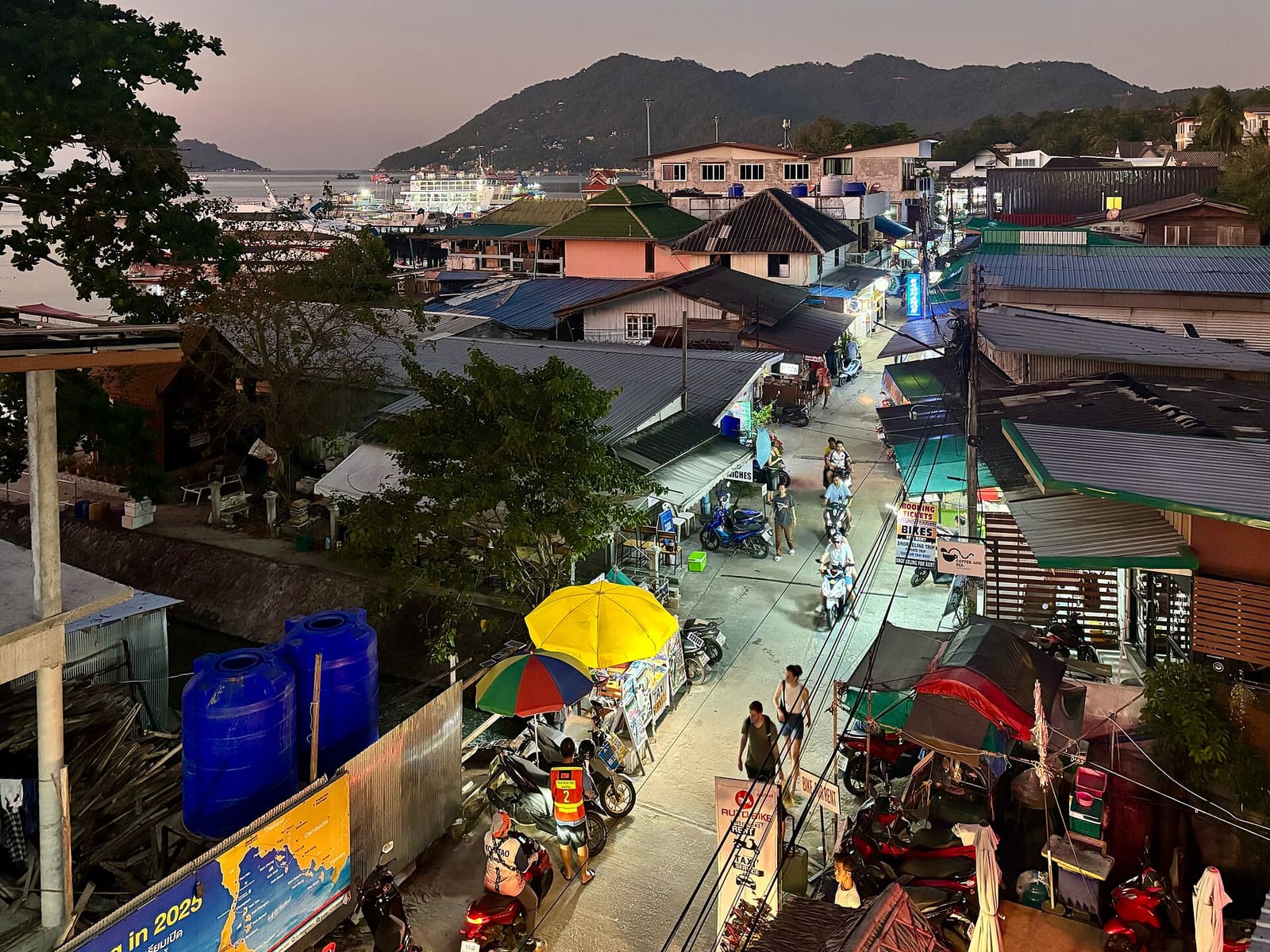
Ko Tao is 21 square kilometres of granite and palm trees in the Gulf of Thailand, and almost everything on it exists because of diving. Not tourism in general. Diving.
That single-mindedness is the reason to go. Warm water, clear visibility, low prices and a little over 25 dive sites packed around one small island means you can dive here for a week without repeating yourself, and without spending much.
The name means Turtle Island, and it earns it. Ko Tao is an important breeding ground for hawksbill and green turtles, and a programme started in 2004 by the Royal Thai Navy and the local dive centre coalition KT-DOC has put hundreds of juvenile turtles back into the island's waters.
What the diving is about
Reef, mostly. The island hosts over 130 species of hard corals and more than 223 species of reef fish from 53 families, so a slow drift along a boulder-strewn slope here keeps your eyes busy.
The site everyone talks about is Chumphon Pinnacle, west of the island. It built its reputation on whale sharks and bull sharks, though warmer water has pushed a great number of the bull sharks toward cooler seas.
Coral here has a history worth knowing. El Niño warming killed off the shallow corals close to the island, and the recovery since has been notable. The Wikipedia entry for Ko Tao also notes rising numbers of coral-eating Drupella snails and crown-of-thorns starfish in recent years, partly from over-use of some areas.
Where to stay
Sairee, on the west coast, is where most people end up. It is 1.7 km of white sand broken only by a few enormous boulders, with medium-budget resorts and restaurants behind it.
Chalok Baan Khao in the south has been growing as the quieter alternative. The ferries all land at Ban Mae Haad, the island's main settlement and port town.
Between dives there is more rock than you expect. The granite boulders scattered through the forests and along the beaches have made Ko Tao a climbing and bouldering destination as well as a diving one, and there is hiking on top of that.
The island is geared more toward relatively affluent divers than budget backpackers, so the cheap street food stalls you find elsewhere in Thailand are largely absent. The trade-off is that the food and nightlife rank among the best in the Gulf of Thailand.
Seasons and sea
Peak seasons are December to March and July to August. Ko Tao is popular with Thai travellers too, so Thai holidays can see the island almost fully booked.
| Month | Sea temperature (°C) | Wave height (m) |
|---|---|---|
| January | 28 | 0.6 |
| February | 29 | 0.5 |
| March | 29 | 0.5 |
| April | 31 | 0.3 |
| May | 31 | 0.5 |
| June | 31 | 0.5 |
| July | 30 | 0.6 |
| August | 30 | 0.6 |
| September | 30 | 0.5 |
| October | 30 | 0.4 |
| November | 29 | 1.0 |
| December | 28 | 0.7 |
The water never really cools down. The coldest months sit around 28°C and April through June push past 30°C. Wave heights stay low most of the year, with November the exception at a metre. Figures come from Open-Meteo marine data for 2026.
Getting there
There is no airport on Ko Tao. You fly to Chumphon (CJM), Ko Samui (USM) or Surat Thani (URT) and finish the trip by boat. Trains also run to Chumphon, where the ferries wait.
Three ferry companies serve the island: Lomprayah, Seatran and Songserm. Rough journey times from the mainland and the neighbouring islands:
- Chumphon: 1.5–3 hours, or 7 hours on the overnight boat
- Surat Thani: 4 hours by day boat, 9 hours overnight
- Ko Samui: around 2.5 hours
- Ko Pha-ngan: around 1.5–2 hours
From Chumphon a Lomprayah ticket ran 750 baht as of May 2022, sometimes as low as 550 baht on promotion. The night boats, with bunks in large dormitories, cost 400–450 baht depending on the operator.
Coming from Bangkok, a neat option described on Wikivoyage is Sleeper Train #85, leaving at 19:30 and reaching Chumphon at 04:13, then the 07:00 ferry. From Hua Hin, Lomprayah runs a 23:30 bus-and-ferry combination that arrives at 08:45 for 1,250 baht.
A small island carrying a lot
Worth knowing before you arrive: around 1,382 people officially lived here as of 2006, and the island now receives well over 100,000 visitors a year. Infrastructure has not kept up. Fresh water is scarce, electricity is expensive, and anything that cannot be burned has to be shipped to the mainland.
The numbers are stark. About 42,000 tonnes of solid waste are produced annually, feeding a 45,000-tonne garbage mountain while the incinerator sits idle. A Marine Zoning and Regulations Master Plan became local law in 2012, and the conservation group Save Koh Tao keeps working at it.
One last piece of island history for the walk to dinner. On 18 June 1899 King Chulalongkorn visited Ko Tao and left his monogram carved on a huge boulder at Jor Por Ror Bay, right next to Sairee Beach. The spot is still worshipped today.
If Chumphon Pinnacle delivers a whale shark, that is a log entry you will want to keep. Record your sites, rate the reefs around Sairee and Chalok Baan Khao, and add your turtle photos so the next diver knows where to look, at Scubaspot.