San Andrés: A Coral Island in the Middle of the Seaflower Reserve
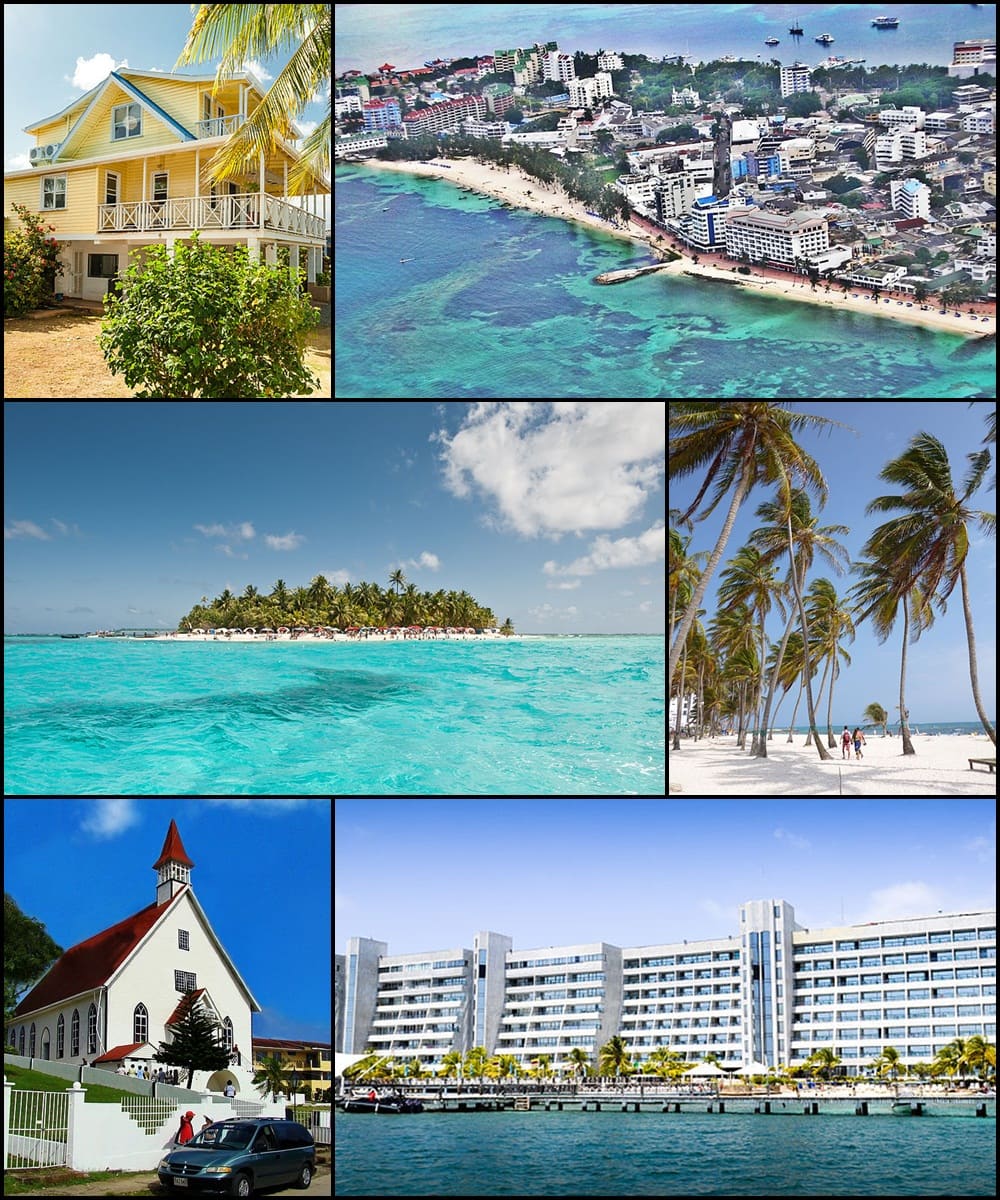
Look at a map of the Caribbean and San Andrés barely registers. A 13 km sliver of coral, 3 km wide, sitting 750 km northwest of the Colombian mainland and much closer to Nicaragua than to Cartagena.
Then look at what surrounds it. In 2000 the archipelago was declared the Seaflower Biosphere Reserve by UNESCO, covering roughly 10% of the Caribbean Sea, about 300,000 square kilometers of water.
That is the reason to go. You are diving a small island wrapped in reef, cays and sand banks, inside one of the largest protected marine areas anywhere in this sea. Colombians call the water here the mar de siete colores, the sea of seven colors, for the way the depth changes the shade.
The island and its water
San Andrés is a coral island, and it feels like one. Almost flat, topping out at 55 m above sea level, covered in grass, trees and coconut palms, with sand along the coast rather than rock. A 30 km road circles the whole thing, past beaches, coves, blowholes and reef.
The northeast side is fringed by coral reef and a scatter of cays. Johnny Cay lies 1.5 km north of town, a coral islet of white sand and coconut plantations with a natural park created there in 2001. Haynes Cay, where the cruise ships dock, has large coral gardens and is the hub for snorkeling and diving trips.
Next door to Haynes is El Acuario, the Aquarium, off the east coast. Calm water, and a popular place to get in with a mask. The little cay in San Andrés Bay is said to be the most visited spot in the whole archipelago.
On the other side of the island, the west coast has no beaches, and instead two dedicated snorkeling entry points cut into the shoreline: West View and La Piscinita. Entrance was COP$3,000 and COP$2,000 respectively. Rocky Cay, on the east, is a beach with a tiny island you can walk to, and San Luis sits behind a small reef with shallow ponds.
What is down there
The cays and reefs on the northeast side are home to varied fauna and flora, and the coral gardens around Haynes hold a good variety of species. Colorful reef fish are the everyday sight. The reserve designation exists precisely because the ecosystem here is rich, and the island asks visitors not to buy souvenirs made of coral.
There is also a story that the loot taken by the privateers who worked out of here still sits in an underwater cave somewhere in the area. Henry Morgan used the island as one of his centers of operations in 1670. Nobody has produced the treasure. It is a good thing to argue about over a beer.
Weather and water through the year
The climate is tropical monsoon, with average temperatures between 24 °C and 30 °C. The rainy season runs from May to January, when humidity climbs. Trade winds from the north start in late October, and from November through mid-January the wind usually comes from the east.
| Month | Sea temperature (°C) | Wave height (m) |
|---|---|---|
| January | 28 | 1.6 |
| February | 27 | 1.9 |
| March | 28 | 1.4 |
| April | 28 | 1.0 |
| May | 29 | 1.5 |
| June | 29 | 1.6 |
| July | 28 | 1.8 |
| August | 29 | 1.7 |
| September | 30 | 0.9 |
| October | 30 | 0.7 |
| November | 29 | 1.4 |
| December | 28 | 1.5 |
The water never really cools off. It sits between 27 and 30 °C all year in the marine data, with the warmest months in September and October, which also happen to be the flattest, at 0.9 m and 0.7 m. February is the roughest month on this table at 1.9 m.
Getting there and getting around
Gustavo Rojas Pinilla International Airport (ADZ) takes non-stop flights from Bogotá, Medellín, Cali, Cartagena, Panama City and Miami, plus charters from Canada. Fares from the Colombian mainland are by far the cheapest, starting around COP$137,400 one-way, about USD$37 as of February 2026.
You clear Colombian customs on arrival. Most passengers, Colombians included, need a tourist card, sold at the airline counter for COP$153,000, about USD$41. If you are coming from abroad, the airport exchange rates are usually as good as downtown, and you will need your passport for the transaction.
Once you are on the island, the circle road does the rest. Buses cost COP$1,700 and are cheap and convenient, though they stop running outside downtown at some point in the evening. Taxis run COP$11,000 to or from the airport and COP$6,000 between downtown and Sarie Bay, doubling after midnight. A golf buggy for a full day is around COP$100,000, and the local guide notes police stop buggies heading south after about 4PM.
What the trip feels like
San Andrés is not the polished Caribbean. It specializes in all-inclusive budget holidays aimed at Colombian travelers, and outside the downtown, El Centro, it feels rural: small houses along the ring road, patchy sidewalks, people out on the street at night. The people are extremely friendly.
Three languages are official here: Spanish, English and San Andrés–Providencia Creole, a legacy of English Puritan settlers who arrived from Barbados and England between 1627 and 1629. The whole island is a duty-free zone, so perfume, alcohol and clothing shops fill the town center.
Eat downtown if your hotel plan allows it. The almuerzo ejecutivo or corrientazo, the set lunch of soup, meat or fish, rice and vegetables, is what locals order, and street vendors sell arepas between meals.
If Providencia is on your mind too, it is 80 km northeast of San Andrés across the water.
When you get back from Haynes Cay, log the dive in Scubaspot and rate the coral gardens while the colors are still fresh in your head. Add a shot of the seven-colored water from the hill, tag El Acuario and West View separately, and let the next diver planning a Seaflower week see what the reef actually looks like.